A roof can look presentable from the street and still be in trouble. That is common in North Texas. Hail bruises, lifted flashing, and shrinking seams hide below the surface. The problem often shows up inside first. Stained drywall, musty smells, or unexplained energy spikes tell a story the shingles or membrane try to hide.
This guide explains subtle warning signs a homeowner or property manager can spot early. It also shows how a roofing contractor Grand Prairie trusts evaluates roof systems in a climate known for hail, UV, and hard wind. SCR, Inc. General Contractors serves Grand Prairie, Rockwall, and the wider DFW corridor with diagnostic inspections, storm restoration, and insurance claim support. The goal is simple. Catch small failures before they turn into structural damage and avoid surprise downtime or interior repairs.
Why a roof can look fine and still leak
Most leaks do not start with a hole. They start with movement and edges. Heat expands materials by day and contracts them at night. Wind flexes ridge lines and flashing. Hail bruises the surface, then summer sun bakes the bruise into a fracture. On flat roofs, ponding water finds the lowest spot. That slow exposure saturates insulation and corrodes fasteners long before water shows inside.
Modern systems hide issues well. Laminated shingles conceal fractured mats. Single-ply membranes mask seam lifts and punctures under dirt. Coatings reflect light and hide micro-cracks. This is why surface-level photos miss the problem. A trained eye and the right tools, like infrared thermal cameras for moisture mapping, reveal what the surface hides.
Subtle indoor signs that point to roof trouble
The fastest way to spot a failing roof is often inside the living space or the attic. A roof can shed rain during a light shower but fail during wind-driven storms from the west, or after a week of heat has softened asphalt. The following patterns often precede ceiling drips by weeks or months.
- Short checklist for indoors: Faint lines or “ghosting” on ceiling paint that return after repainting Musty odor in rooms after big temperature swings Attic insulation that clumps or looks matted in isolated areas Rust on HVAC boots or duct straps near roof penetrations Unusual dust around recessed lights or bathroom fans
Each of these has a roof-side cause. Ghost lines suggest intermittent moisture or vapor drive from a leaky nail or a tiny flashing gap. Musty air signals slow, chronic wetting and drying. Matted insulation under a ridge or valley points to seepage that evaporates before dripping. Rust near boots or vents usually points to failed gaskets or flashing nails that backed out. Dust plumes near can lights can mean negative pressure drawing air through a roof gap.
Outdoor signs that are easy to miss from the ground
Drive-by checks help, but they miss a lot. A safe, on-roof inspection finds the details. That said, a homeowner can spot these hints from a ladder at the eave or with binoculars from the yard.
Look at the shingle edges where two roof planes meet. Are there color changes or granule loss lanes below a ridge? That often marks hail bruise patterns or wind scuffing. Check around plumbing vents. Rubber flashings dry out and crack in 8 to 12 years under Texas sun. Scan metal surfaces. Dented turbines or gutters after a hail event point to shingle bruising, even if shingles still look flat.
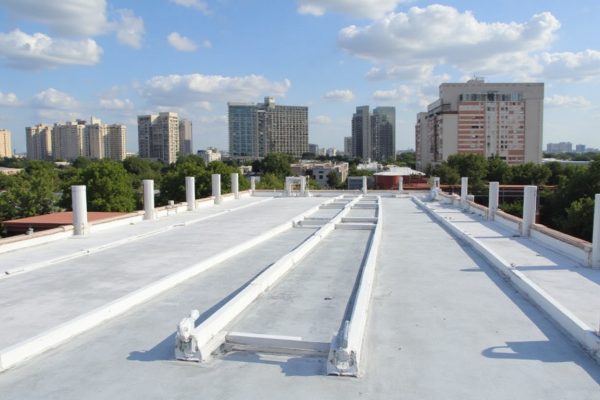
On flat or low-slope sections, look for silt rings that mark standing water. Those rings show ponding zones that cook the membrane, break down adhesives, and drive leaks along seams. Watch for displaced walkway pads near rooftop equipment. Movement near HVAC curbs often starts the first leaks on commercial roofs and large residential flats.
Rockwall and Grand Prairie weather creates specific failure patterns
Local climate matters. Rockwall and Grand Prairie take direct hits from hail cores moving across the DFW Metroplex. Spring and fall bring long, dry periods broken by fast, severe storms. Heat cycles are intense. That creates three common failure paths.
First, hail impacts roofer Grand Prairie TX bruise shingle mats and micro-fracture granule bonds. The roof may not leak for six months. Then UV burns the fractures into full cracks, and the next wind-driven rain finds its way inside. Second, high-velocity wind gusts near Joe Pool Lake and open corridors lift ridge caps and coping caps. Even a quarter-inch lift lets water track laterally under shingles or TPO edges. Third, thermal shock from 40-plus degree swings in a single day causes membranes to shrink at terminations. Seams pull, patches wrinkle, and old flashings split.
A roofing contractor Grand Prairie property managers use often documents all three in one visit. A mix of hail strikes, lifted flashing, and seam shrinkage is routine after a storm season.
The attic tells the truth
The attic reveals heat patterns and moisture in ways the living space hides. A short attic check yields a lot of information. Use a flashlight. Look for dark rings around nail tips in winter, which means condensation and poor venting. Watch for daylight near valleys and penetrations. That suggests gaps at flashing lines. Press insulation near suspected leak areas. If it compacts and springs back slowly, it is damp.
In summer, a hot attic accelerates aging. Excess heat cooks asphalt and dries rubber flashings. A balanced system matters. Intake at soffits and exhaust at ridge or vents keeps temperatures stable. If a ridge vent is present but soffit vents are painted over or blocked by insulation, the roof still runs too hot. Heat stress shortens roof life and magnifies hail and wind damage.
Flat roofs and low-slope additions need extra attention
Many Rockwall homes have low-slope sections over porches or additions. These zones use modified bitumen, TPO, or coatings. They fail differently than steep-slope shingles. Water does not shed as fast, so every detail matters.
Common red flags include ponding water after 48 hours, alligatoring in an aged coating, and seam shadows where the membrane lifted slightly. HVAC curbs on flat areas also move with thermal cycles. Over time, that breaks the seal at the curb flashing. Sealant beads at edges are a temporary fix at best. A proper solution reinforces the curb, resets terminations, and addresses drainage.
For commercial facilities in Grand Prairie, the same rules apply at larger scale. Ponding zones near scuppers and clogged roof drains load the structure, drive leaks into ISO insulation, and spread moisture under the membrane. Infrared thermal cameras identify wet insulation across the deck without core sampling every spot. That speeds repair decisions and reduces unnecessary tear-off.
Hail scars may be invisible at first glance
After hail, many roofs look fine from the driveway. A closer look shows pitted soft metals, spatter on downspouts, and bruises on ridge caps. The damage that matters most often sits on the shingle’s field or along TPO laps that took direct hits. Early signs include:
- Quick visual cues after a hail event: Dented gutters or downspouts with fresh paint scuffs Granules piled at the base of downspouts Dark, soft spots on shingles that give under light finger pressure Hairline fractures at ridge shingles Fine surface cracks on skylight domes or vent hoods
These details help a roofing contractor document storm dates and impact strength. They also support an insurance claim when interior leaks appear months later. Fast documentation matters. UV degradation accelerates post-hail failures, and insurers look for timely proof.
Why leaks travel and show up far from the source
Water follows fasteners, deck seams, and truss lines. A drip over a living room light can start at a valley seven feet away. On flat roofs, water can travel much farther. Saturated insulation spreads moisture laterally for yards. That is why surface patching at the drip point often fails. The true source must be found and repaired. Infrared imaging and moisture meters map the wet areas so the repair removes only what is compromised.
On shingle systems, capillary action pulls water along the underside of shingles when a starter course is misaligned or when underlayment is torn at the eave. Step flashing at sidewalls is another common path. A single missing piece at a chimney or dormer lets water run down the wall and out into the ceiling below.
What an expert evaluation includes
A solid inspection does more than take photos. It tests details. Expect a methodical approach. On steep-slope roofs, that means checking ridge vents, bath vents, chimney and wall flashings, pipe boots, skylight curbs, and valley metal. On flat roofs, it includes drains and scuppers, membrane seams, terminations at parapet walls, coping caps, HVAC curbs, and walkway pads. Inside, it covers attic ventilation, insulation condition, and signs of past leaks.
SCR, Inc. General Contractors uses drone mapping for safe coverage on steep or large roofs. For flat and commercial systems, infrared thermal cameras help find subsurface moisture in ISO board insulation. That limits guesswork and focuses the repair plan. The team also records impact marks on local roofer in Grand Prairie TX soft metals and documents wind uplift at edges, which supports claims after big hail or wind events in DFW.
Rockwall homeowners: what to watch season by season
Spring brings hail and downburst winds. After each storm, check gutters, vents, and ridge lines for dents and lifted edges. Summer heat exposes every weak seal. Look at pipe boots and any rubber gaskets. Early fall often brings the first cool mornings after hot days. That thermal swing pops nails and opens minor gaps. A quick attic check on a cool morning can reveal new condensation around nail tips. Winter rain finds whatever is open, especially on north-facing slopes that dry slowly.
If anything looks off, do not wait for a ceiling stain to confirm it. Small repairs now protect the deck, insulation, and interior finishes.
Why this matters for Grand Prairie facilities and multifamily roofs
Grand Prairie sits at a busy point in the Metroplex, with major logistics and manufacturing zones. The Great Southwest Industrial Park and the areas around the Grand Prairie Municipal Airport run year-round. Roof failures there cause production delays, inventory loss, and tenant complaints. Hail damage can interrupt operations even when the roof looks fine from the loading dock.
A roofing contractor Grand Prairie property managers call after storms needs more than patch skills. They need diagnostics, documentation, and a plan that fits business hours. SCR, Inc. General Contractors handles 24/7 emergency leak repair, works with adjusters on large-loss claims, and sequences work to limit downtime.
How SCR, Inc. supports both Rockwall homes and Grand Prairie commercial assets
The same disciplined approach that protects a warehouse helps a homeowner avoid hidden damage. The team documents hail impacts, tests moisture, and checks all penetrations and edges. For commercial roofs, they install reinforced HVAC curbs and coping caps at common failure points. They also address ponding water by improving drainage or applying silicone restoration systems where conditions support it. For homeowners, they replace cracked pipe boots, reseal flashings, balance attic ventilation, and correct underlayment issues near eaves and valleys.
The company works across Grand Prairie zip codes, including 75050, 75051, 75052, and 75054. Crews respond quickly near EpicCentral, Texas Trust CU Theatre, Lone Star Park, and the logistics corridors around Traders Village and the Great Southwest Industrial Park. The same readiness extends to communities such as Westchester and Mira Lagos, where multifamily roofs need consistent maintenance and fast response after storms.
The insurance and warranty angle many owners miss
Storms that mark soft metals but leave “okay-looking” shingles can still qualify as a loss. Waiting until leaks show can complicate claims. Documenting early bruising, wind lift, and UV-driven deterioration creates a clear timeline. SCR, Inc. brings 20-plus years of large-loss insurance experience to that process. The team photographs conditions, writes detailed scopes, and coordinates with adjusters to align work with policy terms.
Quality materials and correct details keep future claims to a minimum. For steep-slope systems, that means brand-backed components from GAF or Owens Corning installed to spec. For flat roofs, Carlisle SynTec TPO membranes, Firestone and Johns Manville assemblies, or PVC options from Sika Sarnafil support long-term performance. Silicone restoration from Gaco or systems by Everest and Kemper help extend life without a full tear-off when the deck and insulation remain sound. Many installations qualify for NDL warranties from 15 to 20 years when details and substrates meet manufacturer standards.
What a homeowner can do before calling
A careful, safe check creates useful notes for an inspection. Take photos from the ground of all sides. Use a pair of binoculars to scan ridges and vent stacks. Check the attic after a heavy rain and again 24 hours later. Note any odors or temperature changes in specific rooms. Keep hailstones in a freezer bag with a date if the storm was recent. Save a few granules from the base of downspouts if you see an unusual pile after a storm.
These small steps help a roofing contractor evaluate severity and plan the right test methods. They also help separate a minor sealant fix from a system-level issue.
For commercial roofs in Grand Prairie: the diagnostic priorities
Facilities near Joe Pool Lake and along I-30 and SH-360 face high winds and hail bursts. The most common failures after a storm season include membrane punctures near rooftop traffic paths, shrinkage at terminations, flashing failure at parapet corners, and clogged roof drains that lead to ponding water. SCR, Inc. focuses on three actions up front. First, a drone flyover and on-roof walk to mark punctures and seams under stress. Second, infrared moisture scanning to map wet ISO board and identify cut-and-patch zones. Third, reinforcement at known weak points, including HVAC curbs and coping caps, to stop repeat leaks.
If conditions allow, a silicone restoration can seal and protect a sound system and earn a long NDL warranty. If damage is broad or the membrane is past life, a full replacement with TPO, PVC, or EPDM gets the building back on a steady footing. Zero-downtime installation plans adjust work hours around production or retail flow so operations continue.
How to choose a roofing contractor in Grand Prairie or Rockwall
Look for direct experience with North Texas weather and materials that fit local codes. Check for OSHA training, BBB standing, and the ability to deliver drone inspections and infrared scans. Ask about brand certifications, such as GAF Master Elite or Carlisle for single-ply systems. Confirm they can handle both steep-slope and flat-roof details, including skylights, scuppers, and HVAC curbs. Finally, review their insurance claim process. You want clear documentation, a line-by-line scope, and a schedule that respects your home or business.
SCR, Inc. meets those standards and focuses on durable fixes over surface patches. The team backs recommendations with photos, test results, and repair options that fit budget, warranty goals, and timelines.
Ready for a straight answer on your roof?
If a ceiling stain keeps coming back, if a hailstorm rolled through but the roof “looks fine,” or if a flat roof holds water after two sunny days, it is time for an expert look. Schedule a comprehensive, drone-assisted inspection with SCR, Inc. General Contractors. The team serves Rockwall homeowners and Grand Prairie facilities, including 75050 logistics centers and 75052 retail corridors. Expect a clear report, photos that make sense, and a plan that stops leaks at their source. For emergencies near EpicCentral or the Great Southwest Industrial Park, 24/7 dispatch is available.
A roof should protect, not surprise. A careful inspection today prevents bigger repairs tomorrow.
SCR, Inc. General Contractors provides roofing, remodeling, and insurance recovery services in Grand Prairie, TX. As a family-owned company, we handle wind and hail restoration, residential and commercial roofing, and complete construction projects. Since 1998, our team has helped thousands of property owners recover from storm damage and rebuild with reliable quality. Our background in insurance claims gives clients accurate estimates and clear communication throughout the process. Contact SCR for a free inspection or quote today.
SCR, Inc. General Contractors
440 Silver Spur Trail
Rockwall,
TX
75032,
USA
Phone: (972) 839-6834
Website: https://scr247.com/, Storm damage roof repair
Map: View on Google Maps
Social Media: Yahoo Local